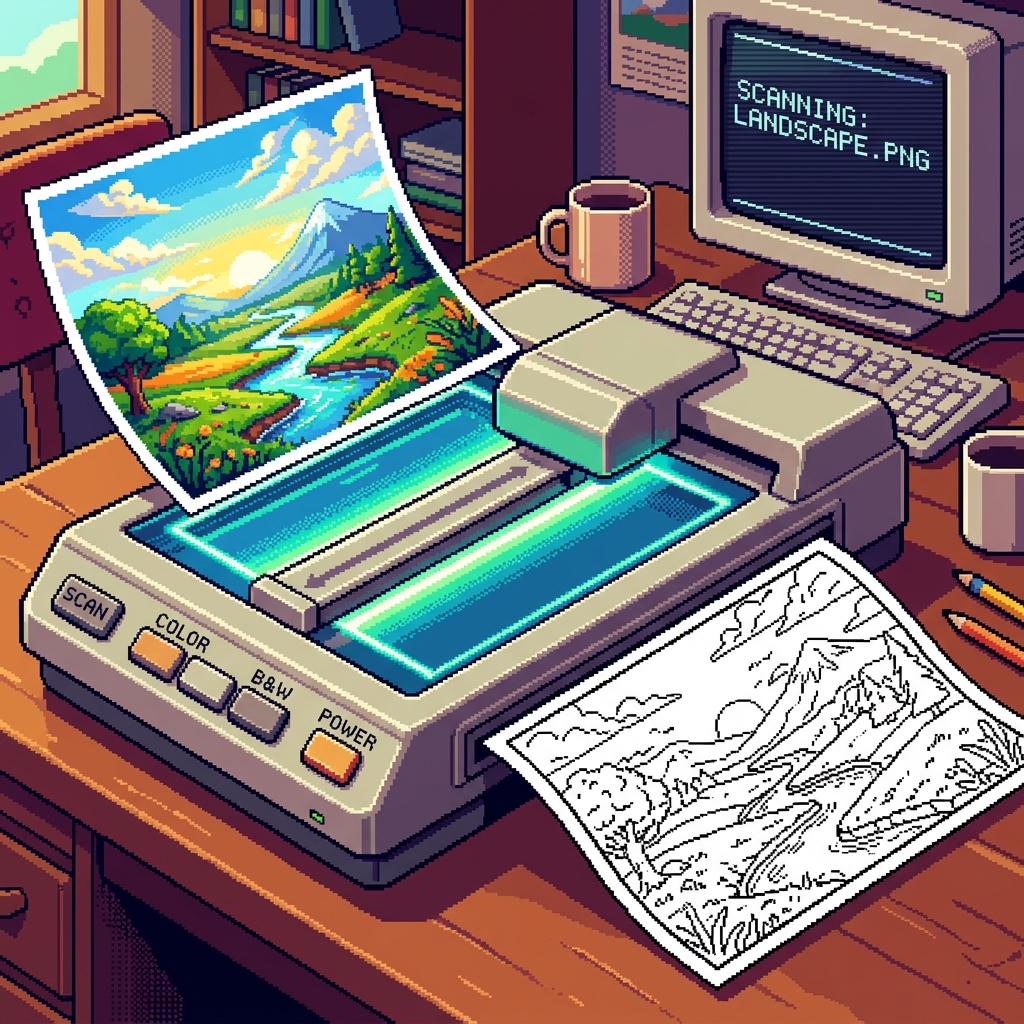
The Magic of Edge Detection: Creating Coloring Pages
1. What is Edge Detection?
Edge detection is an image processing technique for finding the boundaries of objects within images. It works by detecting discontinuities in brightness. Edge detection is used for image segmentation and data extraction in areas such as image processing, computer vision, and machine vision.
2. The Sobel Operator Explained
The Sobel operator is a popular discrete differentiation operator. It computes an approximation of the gradient of the image intensity function. At each point in the image, the result of the Sobel-Feldman operator is either the corresponding gradient vector or the norm of this vector. This is exactly how our Coloring Generator tool works.
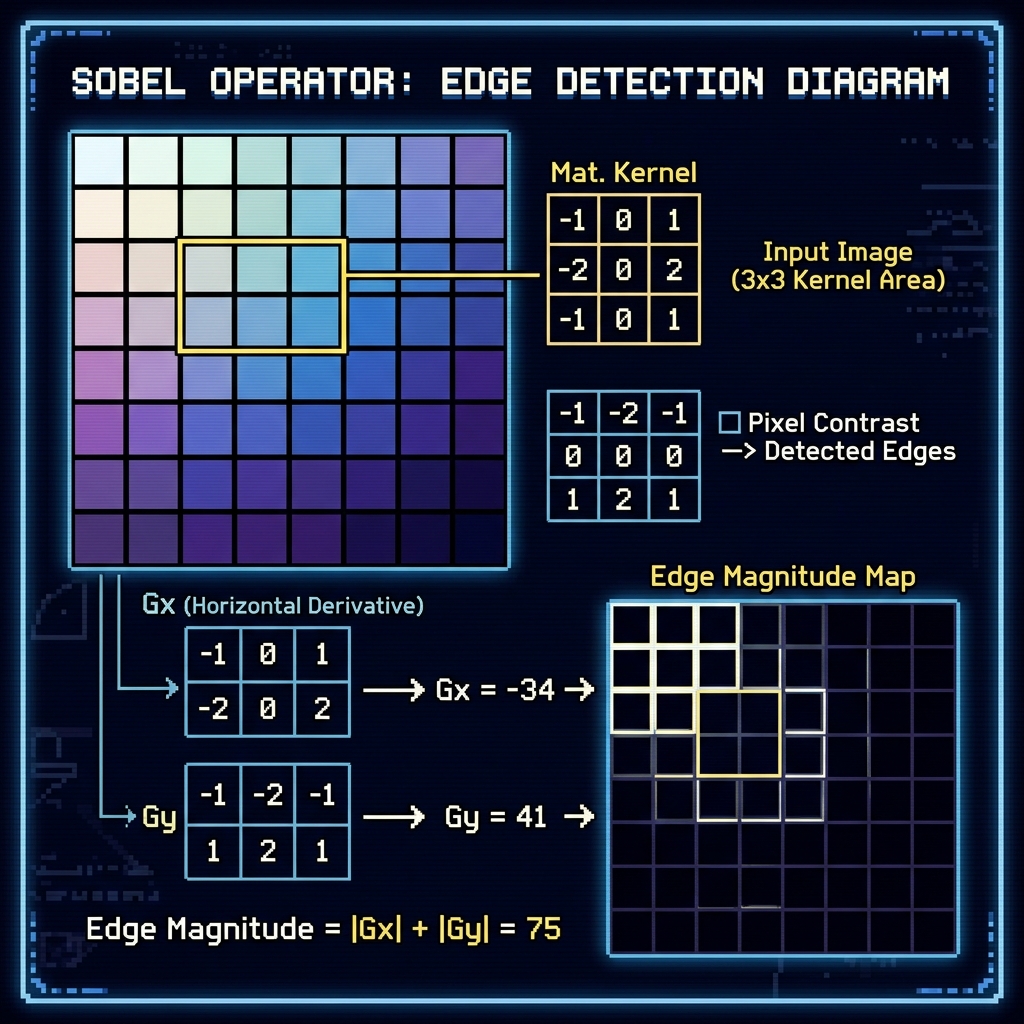
By calculating the vertical and horizontal gradients of the image, we can determine the areas where colors change abruptly. These abrupt changes are the 'edges'.
3. Converting to Line Art
Once the edges are detected, the next step is thresholding. By converting the resulting gradient image to a pure black and white binary image, we create the classic 'coloring book' look. Any pixel with a gradient magnitude above a certain threshold becomes a black outline, and everything else becomes white paper.
This technique can be applied to both high-resolution photographs and 16-bit pixel art, allowing you to create custom coloring pages out of any image you own instantly.
4. Try It Yourself
Understanding the math is one thing, but seeing it in action is another. We implemented this entire complex algorithm to run instantly inside your browser using HTML5 Canvas and Web Workers.
Head over to our Coloring Page Generator and upload any picture to see the Sobel operator magic happen locally on your own machine.